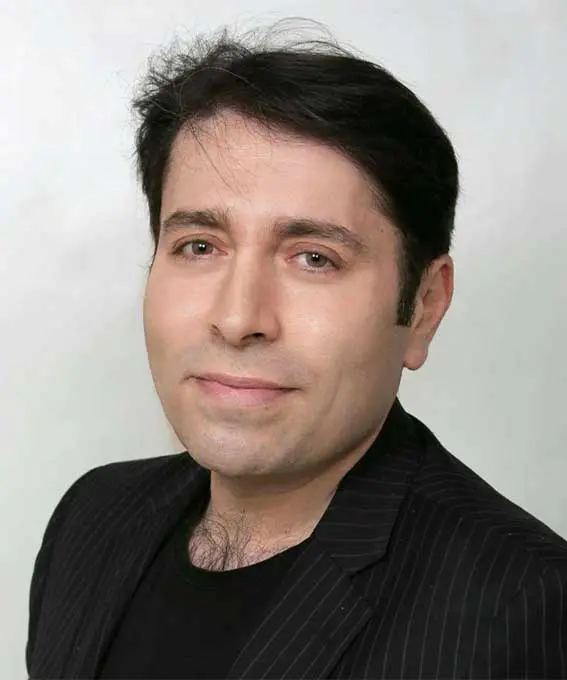
Dr Pejman Safaie
graduated as a medical doctor from one of the top medical schools in Iran
He holds an MSc in “Clinical Dermatology” from Kings College University of London with a final dissertation about laser treatments. He then pursued his academic career by conducting his PhD project on “the role of lips augmentation on attractiveness and psychology of people who seek non-surgical aesthetic procedures”.
Since 1992
Active and working in the beauty and aesthetic industry
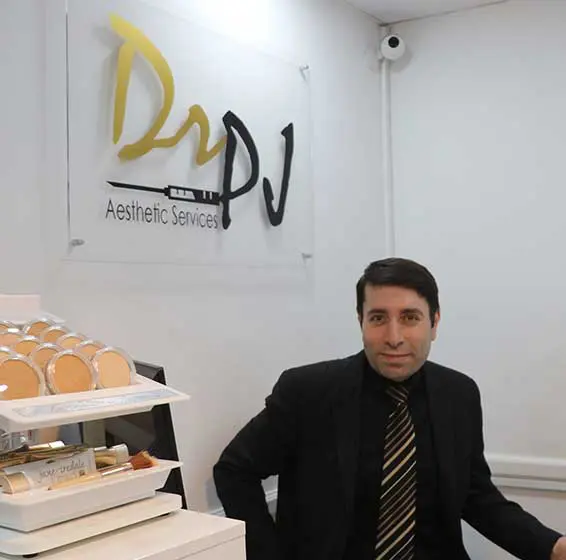
He has about 30 years of experience in the beauty industry and has been specialising in non-surgical cosmetic procedures as an aesthetic consultant in collaboration with well-known private clinics in Tehran and London for 22 years. During his professional career, he built an extensive network of regular clients in Tehran and London.
Following his passion in this field, he worked as the chief tutor of several skincare brands such as; Biologic Recherche, Yves Roches, and Laneche, as well as working as a senior lecturer of Iranroyan beauty college in a variety of fields such as; botulinum toxin injection, dermal fillers, microdermabrasion, laser hair removal, micro-needling, anti-ageing, anti-cellulite treatment, and mesotherapy.
Our Promise
Dr PJ Aesthetic Clinic is one of the best Aesthetic centres in London with a holistic approach to beauty and well-being
Dr PJ Aesthetic Clinic is designed to provide a wide range of treatments based on your individual needs. Here we work with an enthusiastic team of experts in all our disciplines, from simple facial rejuvenation to injectables, aiming to enhance and maintain your beauty inside out.
During our free consultation sessions*, our experts provide suitable tailor-made advice based on the aesthetic concept to provide you with natural-looking, subtle outcomes. We make sure all questions and concerns are addressed before the treatment. All the treatments are offered in a relaxing, calm and professional atmosphere to guarantee our clients’ comfort.
* Our skin consultation is free if you proceed to book any treatment afterwards for 60 days.
Featured Treatments
Testimonials
It was a pleasant experience, quick and efficient, and the surroundings are very bright and gleaming.
Ann JPhorest Salon Software verified Ear Piercing appointment with PJ.
It's always nice to see Pari. She is very thorough in all my treatments with her. And also thanks to Dr PJ, who is always very accommodating.
Maggie C.Phorest Salon Software verified Local Fat Reduction and Microdermabrasion appointment with Pari.
Always a pleasure. Good service good results every time!
Karen S.Phorest Salon Software verified HIFU (Midface & Neck) appointment with PJ.